Acupuncture & Sciatica Pain
By Kevin Dai L.Ac.
Understanding sciatica pain
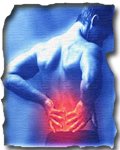
For some people, the pain from sciatica can be severe and debilitating. For others , the pain from sciatica might be infrequent and irritating, but has the potential to get worse. Usually, sciatica only affects one side of the lower body , and the pain often radiates from the lower back all the way through the back of the thigh and down through the leg. Depending on where the sciatic nerve is affected, the pain may also radiate to the foot or toes.

Be Careful If You Have One Of These Symptoms
* Pain in the rear or leg that is worse when sitting
* Burning or tingling down the leg
* Weakness, numbness or difficulty moving the leg or foot
* A constant pain on one side of the rear
* A shooting pain that makes it difficult to stand up
If you’ve had radiating leg pain and have been told that you need drugs, surgery, or worse yet, if you’re waiting for your pain to “just go away,” you need a second opinion !
You don’t have to suffer needlessly from sciatic pain and you shouldn’t depend on drug to get the relief you’re looking for. Drugs only mask the symptoms; they can’t correct your root problem.
It’s time for you to choose a more effective and safer way !
You Can Count on Acupuncture !
In Western medicine terms it has been discovered that the needling of the acupuncture points stimulate the nervous system to release endorphins which are the body's own powerful pain reducers. But it also causes the release of other chemicals and hormones in the body,
which improve energy levels , restore biochemical balance and stimulate the body's natural healing potential. All of this promotes physical and emotional well being.
What Causing Your Sciatic Pain ?
* Improper lifting
* Cumulative spinal stress
* Sudden impact or trauma
* Old injury
* A fall
* lack of exercise
* over exertion
* Poor posture
Acupressure
This therapy is based on the same principles as acupuncture, but rather than using needles , the practitioner massages or presses specific points along the meridians to effect healing . Although the results may be more subtle than with acupuncture , acupressure may be a good choice if you'd rather avoid needles .
Prevention
Some sources of sciatica are not preventable, such as disk degeneration, back strain due to pregnancy, or accidental falls . Other sources of back strain, such as poor posture, overexertion, being overweight, or wearing high heels , can be corrected or avoided . Cigarette smoking may also predispose people to pain, and should be discontinued.
General suggestions for avoiding sciatica, or preventing a repeat episode, include:
-- Sleeping on a firm mattress;
-- Using chairs with firm back support ;
-- Sitting with both feet flat on the floor ;
-- Habitually crossing the legs while sitting can place excess pressure on the sciatic nerve ;
-- Sitting a lot can also place pressure on the sciatic nerves , so it's a good idea to take short breaks and move around during the work day , long trips, or any other situation that requires sitting for an extended length of time ;
-- If lifting is required , the back should be kept straight and the legs should provide the lift ;
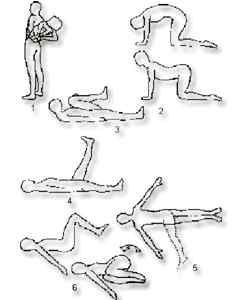
-- Regular exercise, such as swimming and walking, can strengthen back muscles and improve posture . Exercise can also help maintain a healthy weight and lessen the likelihood of back strain ;
Understanding sciatica pain
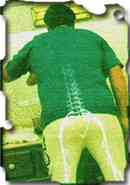
For some people, the pain from sciatica can be severe and debilitating. For others , the pain from sciatica might be infrequent and irritating, but has the potential to get worse. Usually, sciatica only affects one side of the lower body , and the pain often radiates from the lower back all the way through the back of the thigh and down through the leg. Depending on where the sciatic nerve is affected, the pain may also radiate to the foot or toes.
Be Careful If You Have One Of These Symptoms
* Pain in the rear or leg that is worse when sitting
* Burning or tingling down the leg
* Weakness, numbness or difficulty moving the leg or foot
* A constant pain on one side of the rear
* A shooting pain that makes it difficult to stand up
If you’ve had radiating leg pain and have been told that you need drugs, surgery, or worse yet, if you’re waiting for your pain to “just go away,” you need a second opinion !
You don’t have to suffer needlessly from sciatic pain and you shouldn’t depend on drug to get the relief you’re looking for. Drugs only mask the symptoms; they can’t correct your root problem.
It’s time for you to choose a more effective and safer way !
You Can Count on Acupuncture !
In Western medicine terms it has been discovered that the needling of the acupuncture points stimulate the nervous system to release endorphins which are the body's own powerful pain reducers. But it also causes the release of other chemicals and hormones in the body,
which improve energy levels , restore biochemical balance and stimulate the body's natural healing potential. All of this promotes physical and emotional well being.
What Causing Your Sciatic Pain ?
* Improper lifting
* Cumulative spinal stress
* Sudden impact or trauma
* Old injury
* A fall
* lack of exercise
* over exertion
* Poor posture
Acupressure
This therapy is based on the same principles as acupuncture, but rather than using needles , the practitioner massages or presses specific points along the meridians to effect healing . Although the results may be more subtle than with acupuncture , acupressure may be a good choice if you'd rather avoid needles .
Prevention
Some sources of sciatica are not preventable, such as disk degeneration, back strain due to pregnancy, or accidental falls . Other sources of back strain, such as poor posture, overexertion, being overweight, or wearing high heels , can be corrected or avoided . Cigarette smoking may also predispose people to pain, and should be discontinued.
General suggestions for avoiding sciatica, or preventing a repeat episode, include:
-- Sleeping on a firm mattress;
-- Using chairs with firm back support ;
-- Sitting with both feet flat on the floor ;
-- Habitually crossing the legs while sitting can place excess pressure on the sciatic nerve ;
-- Sitting a lot can also place pressure on the sciatic nerves , so it's a good idea to take short breaks and move around during the work day , long trips, or any other situation that requires sitting for an extended length of time ;
-- If lifting is required , the back should be kept straight and the legs should provide the lift ;
-- Regular exercise, such as swimming and walking, can strengthen back muscles and improve posture . Exercise can also help maintain a healthy weight and lessen the likelihood of back strain ;
posted by Kevin Dai (XingQuan) @ 12:29 AM
0 comments